Surgical tools are the unsung heroes of operating rooms worldwide, evolving from basic manual instruments to high-tech devices that define the precision and safety of modern surgery. These tools span a vast spectrum, tailored to every medical specialty—from orthopedics to cardiothoracic surgery—and their design and functionality directly impact surgical outcomes and patient recovery. As a bridge between medical expertise and engineering innovation, surgical tools have transformed complex procedures into more accessible, efficient, and low-risk interventions.
The world of surgical tools can be categorized into core types, each serving distinct purposes. Cutting and dissecting tools, such as scalpels, surgical blades, and oscillating saws, are engineered for precision—scalpels with ultra-sharp, disposable blades ensure clean tissue cuts, while specialized saws make controlled bone incisions. Grasping and holding tools, including forceps and hemostats, provide surgeons with steady control: hemostats clamp blood vessels to minimize bleeding, while fine-tipped forceps handle delicate tissues like nerves or blood vessels. Retracting tools, such as self-retaining retractors, hold organs or tissues aside to create clear surgical access, reducing surgeon fatigue and improving visibility.
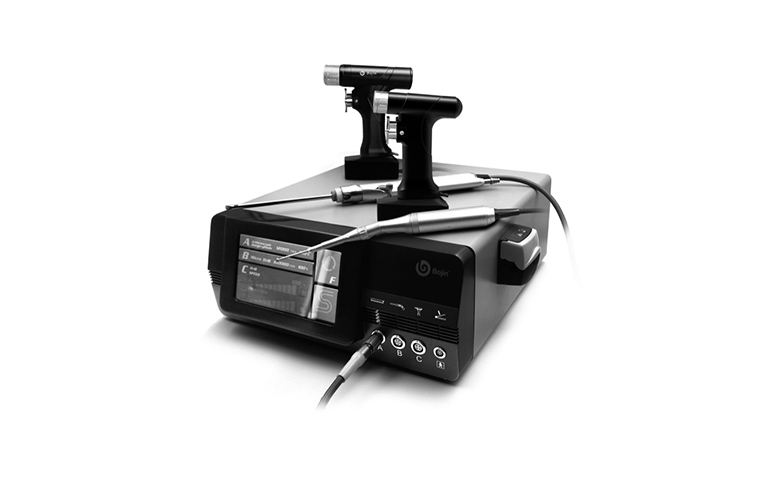
Technological advancements have revolutionized surgical tool design. Manual tools have gradually been complemented by powered devices—electric drills, pneumatic saws, and laser cutters—that offer consistent performance and reduce human error from hand tremors or fatigue. Minimally invasive surgery has spurred the development of long, slender tools compatible with laparoscopes and endoscopes, allowing surgeons to operate through tiny incisions. Additionally, materials science has upgraded tool durability: medical-grade stainless steel, titanium, and cobalt-chromium alloys ensure corrosion resistance and sterility, critical for repeated use and patient safety.
Surgical tools are indispensable across all medical specialties. In orthopedics, bone drills, reamers, and plaster cutters facilitate fracture repair and joint replacement. Cardiothoracic surgeons rely on sternotomy blades and micro-forceps for heart valve surgeries and bypass procedures. Neurosurgeons use high-precision micro-drills and dissectors to access brain tissue without damaging neural structures. Even in general surgery, laparoscopic tools enable procedures like appendectomies with shorter recovery times and less scarring. For veterinarians, specialized surgical tools tailored to animal anatomy ensure the same level of precision in treating pets and livestock.
Safety and quality control are paramount in surgical tool manufacturing. All tools undergo rigorous testing to meet global standards, including checks for sharpness, strength, and sterility. Disposable tools eliminate cross-contamination risks, while reusable tools are designed to withstand repeated high-temperature sterilization. Ergonomic design is also a focus—lightweight handles, non-slip grips, and balanced weights reduce surgeon fatigue during long procedures, enhancing focus and precision. Many modern tools also integrate safety features like anti-kickback mechanisms to prevent accidental injuries.
The future of surgical tools lies in further integration with technology. AI-assisted tools can provide real-time feedback to surgeons, while robotic surgical systems offer enhanced precision for complex procedures. 3D-printed tools tailored to individual patients are also emerging, ensuring a perfect fit for unique anatomical structures. As these innovations unfold, surgical tools will continue to play a pivotal role in advancing medical care, making surgeries safer, more effective, and more accessible for patients around the globe.