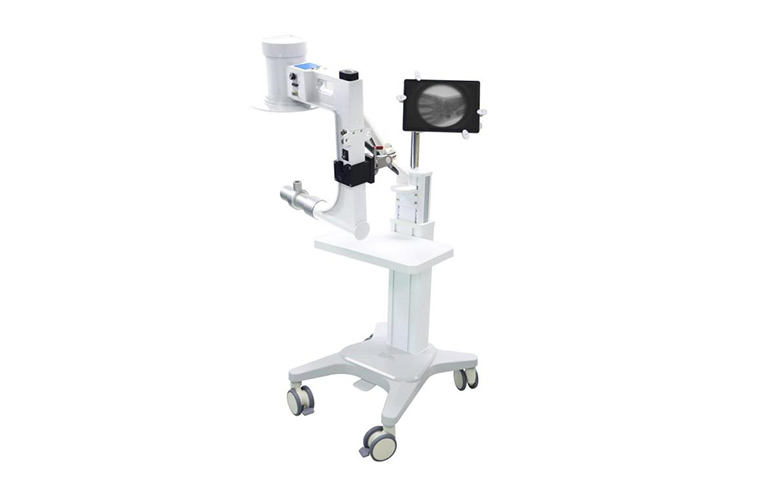
Gone are the days when animals with broken bones or internal issues had to endure stressful transport to specialized clinics for imaging. Portable veterinary X-ray machines have emerged as a game-changer in animal healthcare, bringing diagnostic precision directly to farms, shelters, homes, and field settings. These compact, powerful devices combine advanced imaging technology with mobility, ensuring timely and accurate diagnoses that save animal lives and simplify veterinary workflows.
At their core, these machines operate on the same fundamental principle as traditional X-ray equipment: they emit low-dose X-ray radiation that penetrates animal tissue, with denser structures like bones absorbing more radiation to create contrast on digital images. The key innovation lies in miniaturization—modern portable models weigh as little as 5 to 20 kilograms, compared to the 100+ kilogram stationary units. This portability is achieved through lightweight materials and efficient power systems, including rechargeable lithium-ion batteries that enable 50–100 exposures per charge, ideal for off-grid use.
Technological advancements have elevated their performance to match stationary counterparts. Most now feature digital radiography sensors instead of traditional film, allowing veterinarians to view high-resolution images within seconds on a built-in tablet or connected device. This eliminates the wait for film processing and enables immediate adjustments to positioning, reducing radiation exposure for both animals and handlers. Many models also offer adjustable radiation doses, tailoring output to the animal’s size—from tiny rodents to large livestock like cows or horses—without compromising image quality.
The versatility of portable veterinary X-ray machines makes them indispensable across diverse settings. On farms, they quickly diagnose hoof fractures in horses or digestive blockages in cows, minimizing downtime for valuable livestock. In animal shelters, they identify hidden injuries in rescue animals too frightened for transport. For companion animals, veterinarians can perform in-home X-rays for elderly pets or those with mobility issues, reducing their anxiety. Even in wildlife conservation, these machines aid in diagnosing injuries in wild animals like deer or birds without disrupting their habitats.
Safety remains a top priority in their design. All models comply with international radiation safety standards, featuring lead shielding in the machine housing and handheld collimators to focus radiation only on the target area. Veterinarians use lightweight lead aprons and gloves, while the machines’ low-dose technology ensures radiation exposure stays well below harmful levels. Many also include safety locks that prevent accidental activation, protecting both animals and veterinary staff.
As animal healthcare evolves, portable X-ray machines continue to advance—with features like wireless image sharing for remote consultations and AI-powered image analysis to assist in diagnosis. By breaking down barriers to diagnostic imaging, these devices are not just tools; they are catalysts for better, more accessible care for animals of all kinds, everywhere.