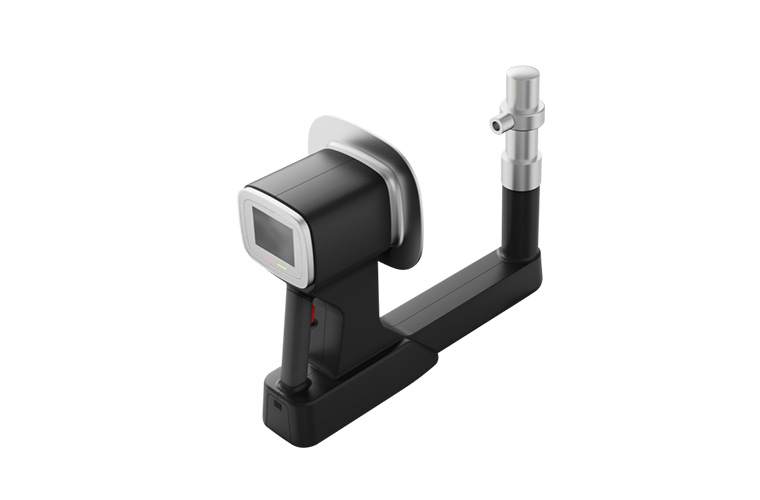
Portable veterinary X-ray machines have reshaped diagnostic imaging in animal medicine. Unlike bulky, stationary X-ray systems locked inside dedicated radiography rooms, these compact, battery-powered devices bring radiographic capability directly to animals, whether in small clinics, farms, equine stables, or remote emergency sites. They deliver clear, reliable images for detecting fractures, joint disease, foreign bodies, pulmonary issues and skeletal abnormalities, while lowering stress and risk for injured, large, or anxious patients. As a cornerstone of mobile veterinary practice, this equipment balances imaging quality, radiation safety and ease of operation, greatly expanding where and how veterinarians can make fast, accurate diagnoses.
The greatest strength of portable veterinary X-ray units lies in mobility. Many models are lightweight and fitted with handles or wheeled stands, and some support rechargeable battery operation instead of relying on fixed power outlets. This is especially valuable for large animals such as horses, cattle and sheep. Moving an injured horse to a clinic is difficult and may worsen fractures or internal damage; with a portable X-ray machine, vets can scan the animal on-site. It also benefits critically injured pets, fractious cats and wildlife patients for whom transport causes severe stress. Small clinics with limited space can add radiography services without building a dedicated shielded X-ray room, cutting renovation costs and broadening their service range.
Modern portable veterinary X-ray systems mostly adopt digital radiography (DR) technology. Paired with wireless flat-panel detectors, they produce high-resolution images that appear on laptops or tablets within seconds. Veterinarians can adjust exposure parameters for different species and sizes, from tiny exotic pets to large livestock. Pre-set modes for dogs, cats and equines simplify operation and reduce retakes. The digital format allows easy image storage, sharing with specialists and long-term comparison for tracking arthritis or fracture healing. High-frequency generators also help reduce radiation output compared with older low-frequency units, improving safety for staff and animals.
Radiation protection remains a core design priority. Portable units come with beam limiters to narrow the X-ray field and avoid unnecessary exposure. Operators use remote exposure switches, lead aprons and lead gloves, and follow strict safety protocols. Many new machines have lower radiation doses while maintaining diagnostic image quality, making routine field work safer. Proper training is essential: veterinarians and technicians must master positioning, collimation and dose control to protect both themselves and animal patients.
From emergency trauma assessment to orthopedic screening, dental radiography and farm herd health checks, portable X-ray machines support nearly every branch of veterinary care. They are widely used in mobile vet services, equine sports medicine, wildlife rescue and animal shelter work. Ongoing improvements include lighter detectors, longer battery life and AI-assisted image analysis, which further speed up diagnosis.
In short, portable veterinary X-ray machines break the geographic limits of traditional radiography. They make timely imaging accessible wherever animals need help, reduce patient stress and improve clinical outcomes. For modern veterinary medicine, this mobile imaging tool is not just a convenient alternative—it is a vital device that brings diagnostic power to the animal’s side.