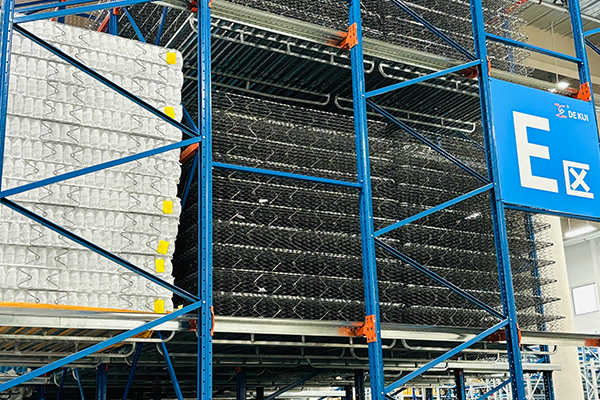
In the modern furniture industry, bed manufacturing machines stand as pivotal innovations that have transformed how sleep products are designed, produced, and delivered. These advanced pieces of equipment integrate precision engineering, automation, and versatility to meet the growing demand for high-quality, customizable beds while optimizing production efficiency.
At the core of bed manufacturing machines is their ability to streamline complex production processes. From cutting and shaping mattress cores to assembling bed frames and upholstering surfaces, these machines eliminate manual errors and ensure consistent quality. For instance, computer numerical control (CNC) cutting machines precisely slice foam, latex, or spring units into exact dimensions, while automated upholstery robots handle fabric stretching and stitching with unparalleled accuracy. This precision not only enhances the durability and comfort of beds but also reduces material waste, a key sustainability benefit for manufacturers.
Another significant advantage of bed manufacturing machines is their adaptability to diverse product requirements. As consumer preferences shift toward personalized sleep solutions—such as adjustable bases, memory foam layers, or eco-friendly materials—these machines can be programmed to accommodate varying sizes, designs, and materials. High-speed assembly lines, equipped with robotic arms and conveyor systems, enable mass production of standard beds while allowing quick switches to custom orders, balancing scalability with flexibility.
Furthermore, bed manufacturing machines drive operational efficiency by reducing labor costs and production time. Traditional bed production relied heavily on manual labor, which was time-consuming and prone to inconsistencies. Modern machines, however, can operate 24/7 with minimal human supervision, cutting production cycles from days to hours. This efficiency not only boosts manufacturers’ output but also makes high-quality beds more accessible to consumers by lowering production costs.
Looking ahead, technological advancements like artificial intelligence (AI) and the Internet of Things (IoT) are set to elevate bed manufacturing machines further. AI-powered systems can predict maintenance needs, optimize production schedules, and even tailor designs based on consumer data, while IoT connectivity allows real-time monitoring of machine performance. As the industry continues to prioritize sustainability and customization, these machines will remain essential tools in crafting sleep products that combine comfort, durability, and innovation.
In conclusion, bed manufacturing machines have redefined the production landscape of the furniture industry. Their precision, versatility, and efficiency not only meet the evolving demands of consumers but also drive the industry toward a more sustainable and innovative future.